
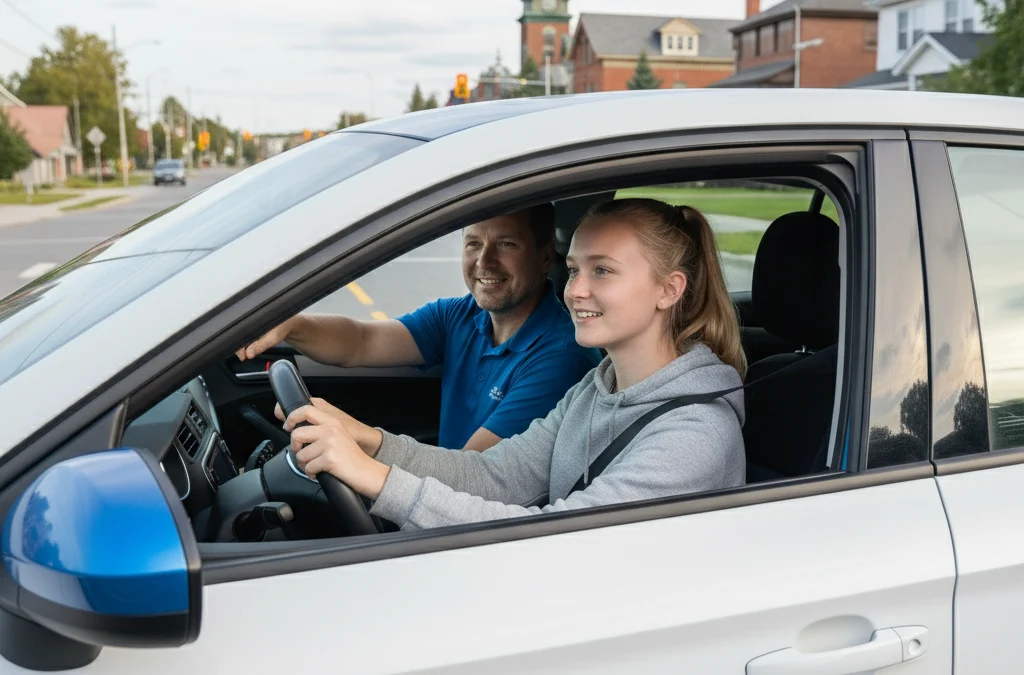
Mastering the road takes more than knowing the rules. A driver education course in Wolfville, N.S., helps you learn in the classroom and practice driving in real life. New drivers can build skills for safe driving, feel more confident behind the wheel, and stay alert on the road.
How Practical Experience Builds Confidence
Many new drivers feel nervous when they are in charge of a car for the first time. Hands-on practice gives students a chance to slowly get used to what traffic is really like. They learn how to get onto busy roads and move through intersections. This helps people feel less worried and more confident, allowing them to become more comfortable and perform better when driving.
What Learners Gain Beyond the Textbook
Theory classes teach you about important things on the road. These include road signs, speed limits, and rules. But practice is what helps you use that knowledge when you drive. When you practice tasks such as turning, changing lanes, and parking, you build muscle memory. You also get better at making choices while driving. These skills are not something you can get just from books or reading.

Key benefits include:
- Quicker thinking in unexpected situations
- Better sense of space to move through tight spots
- Stronger feel for how your vehicle moves
How Structured Programs Make a Difference
Structured programs help students learn in a step-by-step manner. You start with basic driving skills. Then, you move to harder traffic situations. This way, you practice safely and get fast feedback from the instructor. Driver’s ed programs in Wolfville, N.S., utilize practice exercises and on-the-road training. These help you feel confident and stay safe.
Learning From Real-World Challenges
Road conditions can change at any time. Things like weather, people walking, and other drivers can all make things different quickly. A good driver needs to be able to adjust to these changes and stay flexible. When students practice driving with hands-on training, they encounter real-world problems in a safe environment. This helps them prepare for anything they may encounter on the road. They practice driving in the city and outside of it, which helps to learn a lot about road safety and how to stay safe while driving.
Practical scenarios include:
- Driving through heavy traffic and busy crossroads
- Driving on wet or slick roads to see how to be safe
- Seeing dangers and making quick choices
Why Instructor Guidance Is Crucial
Even the student who works hard can get help from expert guidance. Skilled teachers give:
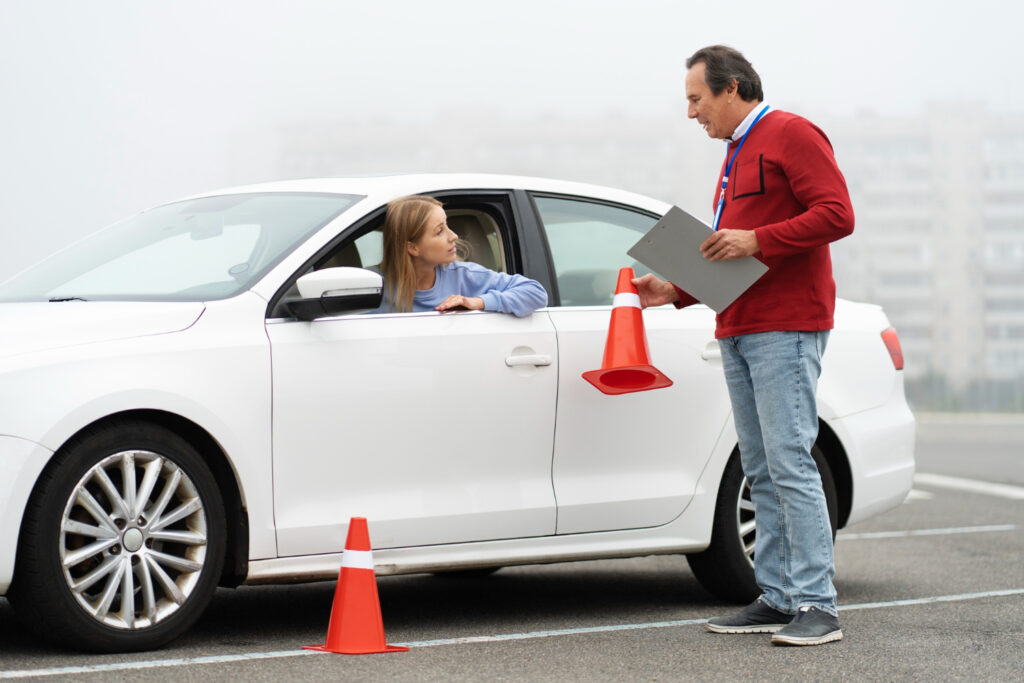
- Clear explanations about what to do during maneuvers and traffic laws
- Helpful feedback on mistakes you make
- Ways to spot dangers before they turn into bigger problems
Instructors also help students:
- Build the feeling that you can drive on your own.
- Practice more skills like parking next to the curb and moving into lanes.
- Get to know local traffic ways and the road rules.
Their knowledge helps students practice and learn safe driving habits. This enables them to maintain good driving skills for their entire life. Students then drive safely and responsibly every time they use a car.
Training That Shapes Responsible Drivers
Hands-on practice helps turn what you read or learn into real driving skills. After the driver instruction course, people feel ready and know what to do when they drive. They pick up the skills there to handle many different road situations. Signing up for a driver’s instruction course means every driver is prepared for their license test. It also makes sure they are safer drivers for the rest of their lives.
Take the Wheel With Jim’s Insync Driving School
Getting real practice on the road is the best way to learn how to be a safe driver who feels sure about their skills. At Jim’s Insync Driving School, our team guides you through every step of the process. We mix practice driving and the key rules you need to know. Whether you are new or looking to improve, our classes help you get better and feel more prepared. Join now to start your path to safe and careful driving.