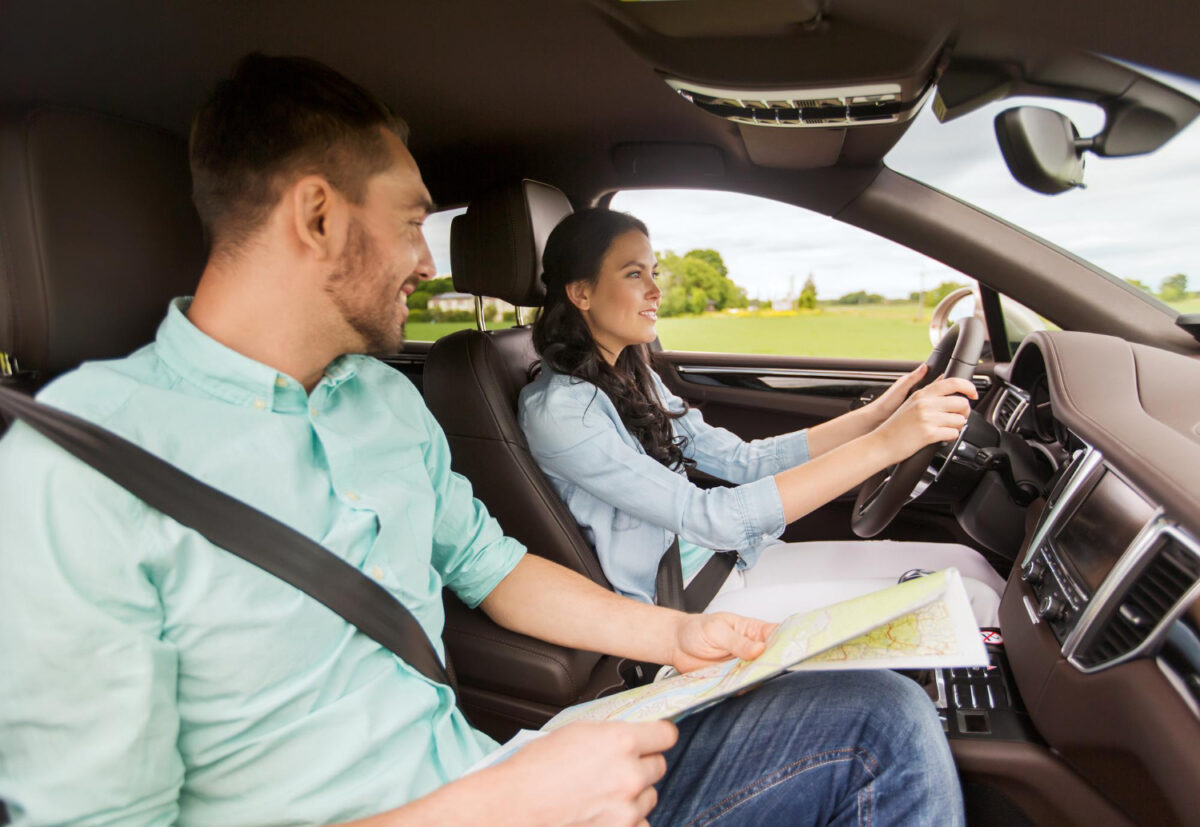
Putting in the effort to become a good driver has nothing to do with cramming the rules or emulating specific actions out of context. It is only over time that one becomes a conscious driver capable of analysis, operations, and increased awareness. A clear program aims at analyzing the observation and thinking processes of the drivers and applying them in a calm decision-making process on the road while in the driving seat.
Such skills are not generally lost after passing a road test but remain applicable whenever the driver gets behind the wheel.
Where Does Driver Awareness Really Begin?
Driver awareness starts before a vehicle even moves. The initial lessons in driving focus upon attaining awareness of road surfaces, signs, signals, and common spaces; as soon as learners get the idea that the road is not only a place but a system where all users, namely drivers, pedestrians, or cyclists, affect one another, the preparation for mental work is made by understanding and avoiding panicking and utilizing guessing only if it is a complete necessity.
Learning to See More Than What’s Ahead
Instructors focus learners' attention on reflections, side streets, parked vehicles, and other peripheral potential movement. Sifting through and constantly making the environmental world visible through mutual scanning is automatic, in that learners are rendered superfluous. Almost casually, early drivers may take notice of minimal signs of change, perhaps the most important bridge to disengage from negative, separated-control reactions.
A few key points to observe by routine include:
- Frequently checking mirrors for nothing else.
- Watching for pedestrians at crossings
- Observe the behaviour of other cars at intersections and junctions.
Anticipation Improves With Practice?

As experience grows, learners begin to predict what may happen next rather than wait for it to happen. This is where structured driving learning classes play an important role. Repeated exposure to real situations—merging traffic, changing lights, sudden braking—helps learners recognise patterns. Anticipation replaces hesitation, allowing smoother decisions and safer reactions in everyday driving conditions.
When Feedback Shapes Better Judgment
Mistakes are natural in the learning process, but they signal progress when one is guided to improve them. By receiving clear feedback on their decisions, learners become capable of understanding without feeling stressed or fearful. This strengthens judgment.
- Instructors explain why and why this decision worked, offering directive feedback.
- Trainees begin to see the direct links to actions and outcomes
- A pronounced reduction in repetitive errors ensues as reasoning is brought to light
- Understanding is carried in the stead of uncertainty
- Over time, the awareness they previously lacked would improve as drivers learn to evaluate situations more thoughtfully
Confidence Changes Driver Behaviour
When skills are in a groove, drivers feel less hurried and more in command. Confidence enables them to divert attention away from the vehicle. Consequently, their minds can better balance speed, spacing, and timing without being at the brink of information overload. Such a balance state becomes one in which awareness is an instinctive rather than a forced occurrence, even in unfamiliar situations.
What Stays With Drivers After Lessons End?
It’s the end of the training, and such kind of awareness seems to be normal instead of being artificial. Those who are successful in driver learning classes have a presence of mind that enables them to notice, forecast, and respond to situations serenely on all kinds of roads and occasions. Improved driving results from such skills every time a person gets behind the wheel, not only during classes.
Conclusion: Building Awareness That Lasts
Strong driver awareness develops only gradually, built from teachings, experience, and time. At Jim’s Insync Driving School, the team partners with drivers who have a burning desire for further education to understand the road, not merely to steer a car. They offer a structured approach for those who decide, from their innermost aspiration, to break all bad driving habits and switch to a style of driving marked by consciousness, confidence, and judgment.